
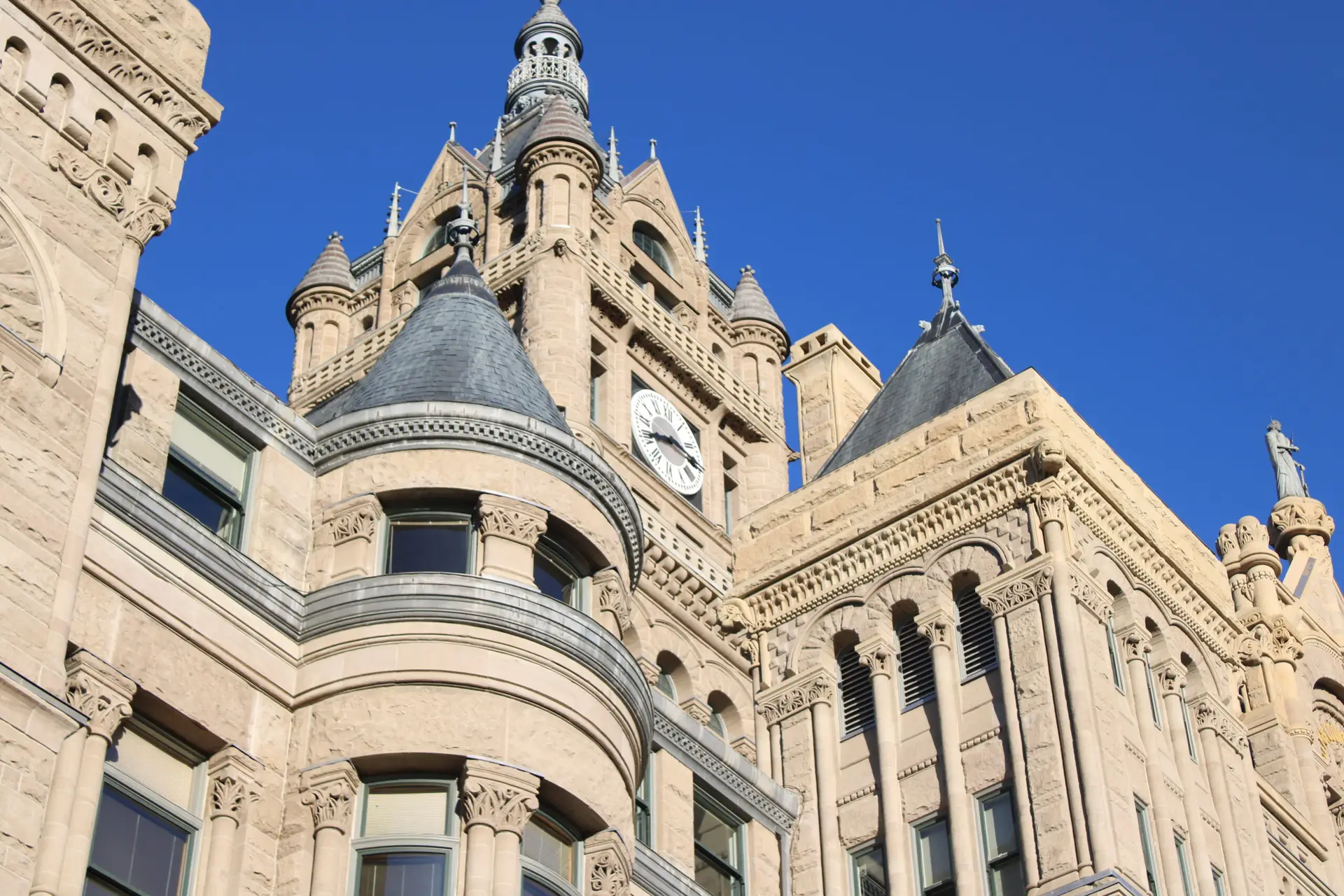
This project explores the boundary between real and virtual observation.
These photos pair real spaces with simulated ones, questioning how we define authenticity in images.
Between Worlds – Photo Series
A series exploring visual parallels between real-world spaces and simulated environments.
These two worlds may seem distant, yet their images often evoke similar emotions and questions.
Images
Click Left/Right arrows to flip the page
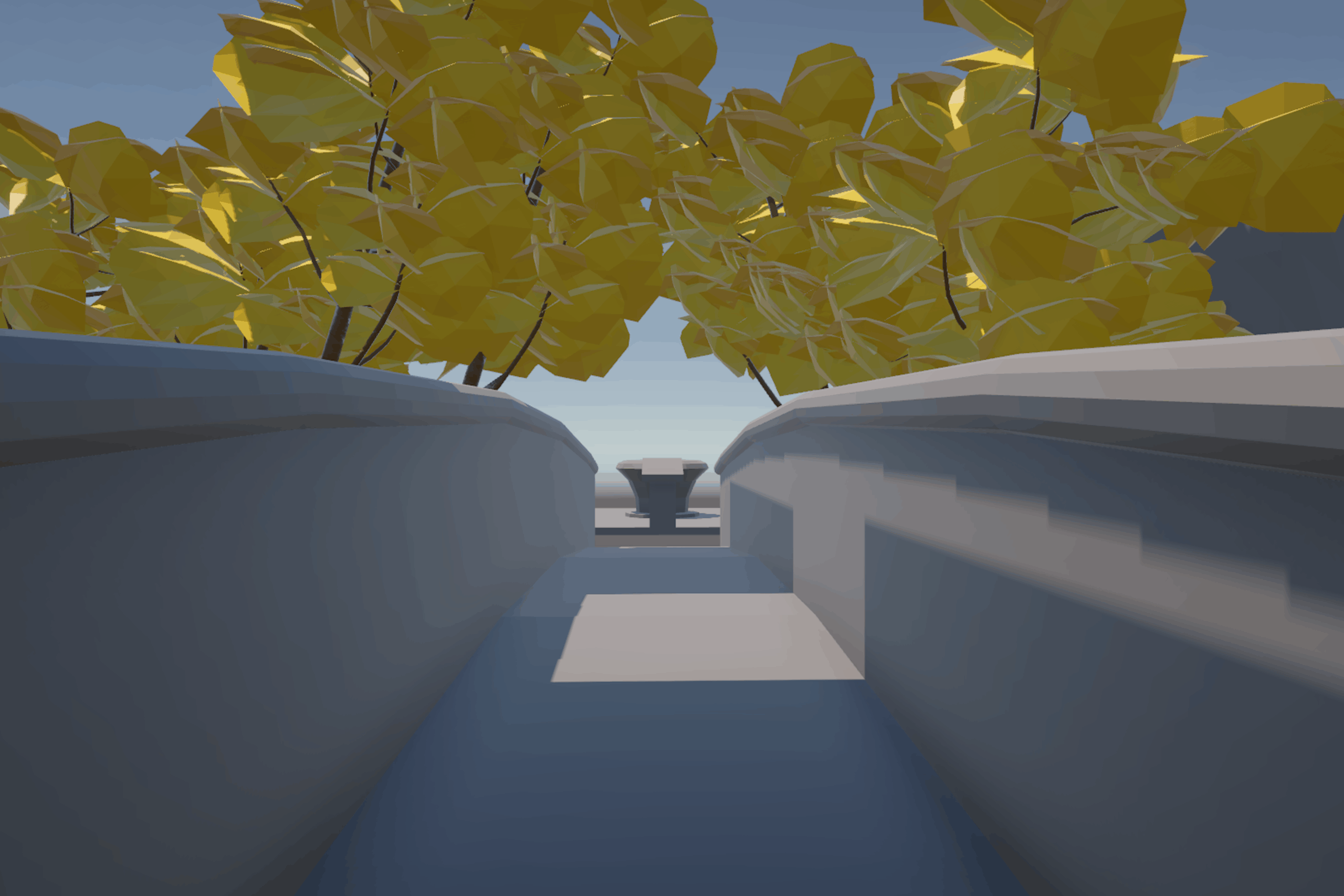
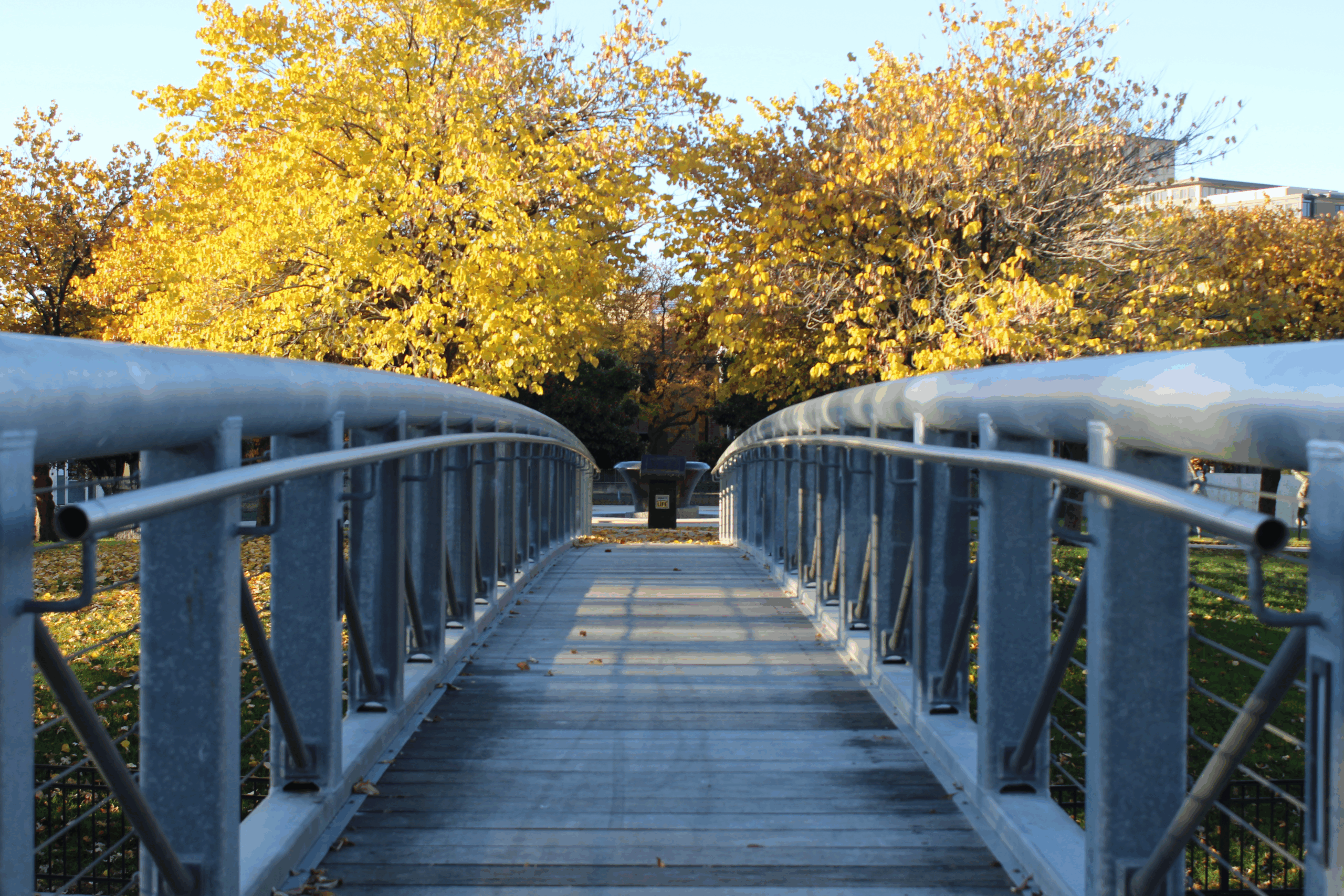
ARTIST STATEMENT
The final project is about observing, comparing, and understanding how perception changes when we shift between media. The real and virtual versions of these scenes do not compete; instead, they reveal different layers of the same experience. This portfolio is a study of how images and spaces can reshape the ordinary, and how recreating reality helps us see it with fresh attention.
My project explores the relationship between the real world and the virtual spaces we recreate from it. I walk through familiar places on campus every day, but I often notice how different they feel once translated into images—or into a 3D environment. This series focuses on that shift: how reality changes the moment it becomes a picture, and how it changes again when it is rebuilt in a digital world. In other words: How and why do they look like that?
I started by photographing a simple pathway, a bridge, and several open spaces filled with trees. These locations don’t appear special at first glance, but when framed through a lens, they begin to take on structure and rhythm. Light, color, and the arrangement of everyday objects influenced the photographs more than I expected, and they became my starting point for the entire project.
Using these photos as references, I then created a virtual reconstruction of a few scenes (a total of 6). These digital spaces intentionally feel empty, flat, or incomplete. Instead of trying to copy reality perfectly, I wanted to show what is lost or transformed during the translation from physical space to photograph, to virtual scene, and also want to show how this looks after removing the excess objects that disturb the view. The simplification forces viewers to notice the shape, direction, light, and perspective differently—sometimes more clearly than in the more detailed real-world images.